Now that you have created your own website based off of the steps from last week’s blog, I’m sure you are asking “what is the next step?” Well since you have taken the measures to create a website, now the empty skeleton of your themed site sits awaiting your creative mind to take over. This part of the web design process can be really enjoyable if you let your creative juices flow! I am going to provide you all with the 5 most useful tips when designing your website so it fits the brand you want to portray to the public.
The first thing your viewers see when they click on your website is your homepage. According to an instructional video on homepage design “the homepage is the window to your brand and to your content so it really needs to pop.” This video: https://youtu.be/t14MwuWH_ts speaks on the first tip we will discuss.
Tip #1: There’s no place like “Homepage”
Growing up your parents always tell you that the most important thing is to make a good first impression when meeting someone, so why wouldn’t you want your website to make a first impression when meeting your viewers? The homepage might be the single most important part of your website, and if it is hard to navigate most people will simply give up. First and foremost, your homepage should be clear in what your website’s purpose is. The video in the link provided states how the main homepage shouldn’t be too flashy or over the top, it should have key points and an easy way to get to the other pages on your website.
Tip #2: Extra! Extra! Read all “About Us”
According to an article written by Jordan Dick on https://venturi-web-design.com/planning-a-website-organizing-your-content-a-short-guide-for-beginners/ the most viewed page other than your home page is the “About” page. This page is so important because viewers come here to learn more about the creator of the site… YOU! This is where you can get really personal with your viewers and tell them your background and why you decided to create the website. On this page you should put pictures of yourself, stories, and personalize it to your heart’s content!
Tip #3: Call Me Maybe
Another vital page to include during your web design process is a contact page. This page should at least include an email address so your audience can get in touch with you. This is also where you can include links to your social media to build your brand further.
Here is an example of a good contact page:
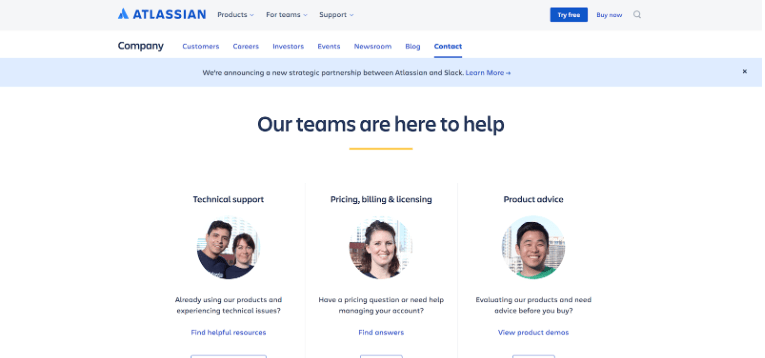
Atlassian does a great job of presenting their contacts so that customers know exactly who they are getting in touch with.
Tip #4: Land(ing) Ho!
Now let’s talk about landing pages. Sometimes your audience will be directed to a certain page of your website based off of what they type into the search engine. For example if I type in “Womens Clothes Nordstrom” into Google I am immediately directed to this page:
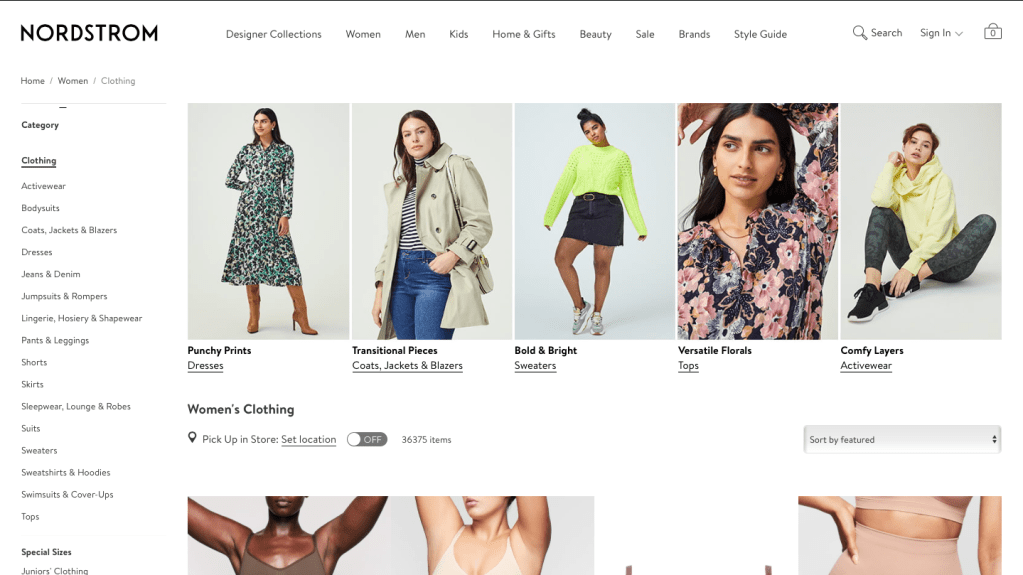
Because Nordstroms has multiple landing pages based off of their merchandise that they are selling, it makes their website easier to navigate, and overall more efficient for the customer. This also increases your chances of your website being viewed because more landing pages translates into the more entry points you have to your website.
Tip #5: The Customer Knows Best
The last tip before designing your page, is to consider who you’re designing it for. The theme and feel of your website should be based on who is viewing it and using it on a daily basis. By taking into account who your audience is, you are able to better cater to their needs. Where you guide your viewers, and how you meet all of their needs is going to be the main reason your website is successful or unsuccessful.
I hope these tips help and I cannot wait to see what you create.
Happy designing!
Works cited:
Ling, Amy, et al. “Organizing Website Content – A Step By Step Guide For Beginners.” Venturi Web Design, venturi-web-design.com/planning-a-website-organizing-your-content-a-short-guide-for-beginners/.
 Hannah's Blog